
The Best Time to Visit Lisbon for Great Weather and Fewer Crowds
Lisbon is beloved by travelers worldwide and the beaches and streets are often packed with visitors. And with such a popular travel destination, it’s no surprise that travelers prefer to avoid crowds while enjoying fantastic Lisbon weather. Whether you want quick service or need more space, visiting during one of the shoulder seasons has many benefits.
In this article, we’ll help you find the best time to visit Lisbon while dodging the crowds. Aside from providing insight into Lisbon’s climate and culture, we’ll also give some valuable tips about how to make the best of a vacation to Lisbon during any season. Here’s everything you need to know.
Introduction to Lisbon’s Climate
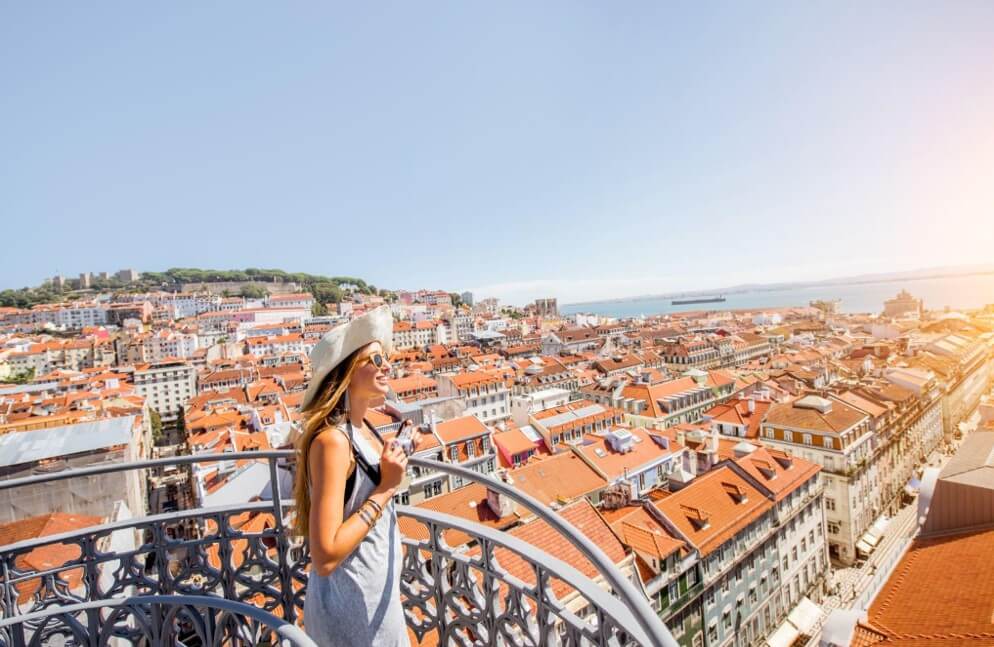
Lisbon has mild winters and hot summers. The city will provide if your ideal vacation involves sitting back and enjoying the hot sun and cool ocean breeze. But it’s important to remember that Mediterranean weather can sometimes be unpredictable.
Expecting sudden heavy rainstorms and strong winds during some parts of the year is realistic. And you can plan by packing clothing for all kinds of weather.
Overview of Lisbon’s Climate
Lisbon’s Mediterranean climate characteristics are mild, rainy winters and hot, dry summers. The summer heat peaks around July and August at around 82°F, with very little chance of rain. Meanwhile, the winter chill peaks around December and January at an average temperature of 54°F. At this time, there is much more significant rainfall. Overall, the temperature is typically warm, and sunshine is guaranteed during most of the year.
High Season vs. Low Season
A destination’s high and low seasons are the most active and calm periods throughout the year. Tourism peaks in full swing of summer — June through August — and on major holidays like Christmas and the New Year. As tourists pour in during these times, Lisbon focuses on catering to the visitors with events and activities.
During the high season, the weather is at its best for the people who enjoy it warm and sunny. The streets are full of people and activities, and the climate is perfect for exploring everything the city offers. Many people fly to Lisbon or purchase travel packages during this season.
Tourism will slow down in late autumn as the cool winter gradually creeps closer. While the winter can be chilly and rainy, there are still many days that are warm with plenty of sunlight. The low seasons provide some respite with their affordable prices and reduced tourism. The cooler weather and reduced tourism make exploring Lisbon’s indoor attractions easier.
Rainy weather and higher wind chills may deter some tourists from visiting during the winter. Many businesses reduce their hours or close to conserve funds during the low season. If you visit during this season, it will resemble the average day-to-day life in Lisbon.
The shoulder seasons occur between the busy summer and the unpleasantly dull winter in the spring and fall. You can expect to taste the warm summer climate with less tourism, rising prices, and wait times. While there won’t be as many amenities available as during the summer, the shoulder seasons are undoubtedly a good option if you’re concerned about crowds.
Best Time to Visit Lisbon

The best time to visit Lisbon depends on your preferences, as the high, low, and shoulder seasons have advantages. What is right for you may not be completely suitable for others. You’ll enjoy the low season if you prefer lower prices and fewer crowds. Those who want a vibrant city and warm weather will prefer the high season. The shoulder seasons provide a pleasant compromise.
Spring (March to May)
The weather from March to May continues to grow warmer and sunnier as it inches closer to June, with temperatures averaging about 64°F. Rain is relatively uncommon during the spring. You can expect a spring vacation to include delightful sports, wine tastings, music, and authentic Portuguese food as Lisbon ramps up for the summer high season.
The biggest of the sports mentioned above is the March Lisbon Half Marathon, which starts with a crossing of the enormous Ponte 25 de Abril bridge. Another significant event during the spring is the Feast of St. Anthony, the patron saint of Lisbon. This festival includes plenty of fantastic food and fun.
There are many great music festivals, open markets, and cooking shows to indulge in during the spring. With such fair weather, it only makes sense to explore Lisbon on foot and find all the city’s best things. You should book your accommodations and tickets in advance in anticipation of the prices Lisbon can get around this time of year, especially during Spring Break.
Summer (June to August)
Summer is the hottest and driest period in Portugal and by far the most popular for travelers. During the summer, it rarely rains, and the climate averages a temperature of 84°F. The ocean breeze blowing in from the Atlantic Ocean cools the city itself. Summer is the perfect time to get to the beach and start sunbathing, swimming in the sea, and exploring the culture of Lisbon.
If you want fun things to do around the city, there’s no better time to visit than the high season. Lisbon has a vibrant culture with fantastic food. You can start your vacation strong by enjoying the beautiful music of Fado singers while sipping on rich Portuguese wines. If you visit during the Festa de Santos Populares, you can even party the night away with locals.
If you visit during the summer, you should be mindful of the large crowds. You should always remain aware of your surroundings and guard your belongings so pickpockets don’t target you. You should dress lightly and drink plenty of water to stay comfortable exploring the city.
Fall (September to November)
The temperature in the fall is pleasantly warm, averaging 77°F with marginal chances of rainfall. You can expect regular periods of sunshine with intermittent rain. The fair autumn weather comes with many festivals and huge cultural displays that showcase the spirit of Portugal. If you visit during the fall, we recommend packing various clothing to be comfortable in all weather.
If you want to visit Portugal during mild temperatures and avoid tourists, a trip to Lisbon in the fall is worth considering. There are many gorgeous historical sites and neighborhoods that you can easily explore during the fall. If a rainy day keeps you inside, you’ll also find that museums, indoor attractions, and restaurants around the city are more than accommodating.
Winter (December to February)
Lisbon is extremely rainy and cold during the Winter. Between December and February, you can expect the outdoor temperature to average 50°F with frequent chills. Rain occurs frequently and only adds to the glumness that falls over the city during this period. If you intend to travel to Lisbon in the winter, expect difficult weather to follow.
Weatherproof clothing, umbrellas, and fun indoor activities are essential during a winter visit to Portugal. Of course, many indoor activities are wonderful. If you decide to take the best advantage of the city and explore galleries and museums, you may hardly even notice that you’ve visited during a season of bad weather.
If you visit Lisbon during the winter, you will also enjoy eating hearty winter meals and partaking in the festivals the winter season brings. There is a grand carnival in February, but the more notable event is Christmas in Lisbon. During this spectacular celebration, Lisbon features Christmas markets, ice rinks, and magical fairs.
When is the Best Time to Visit Lisbon?
The best time to visit Lisbon depends on your preferences, but if you want to avoid the crowds and enjoy good weather, we recommend visiting Lisbon during the shoulder seasons. The summer is warm and exciting but may feel too crowded to enjoy for many travelers. Likewise, the difficult weather during the winter months can pose a significant obstacle to many visitors who just want to dodge the crowds.
Frequently Asked Questions
What is the Busiest Time of Year to Visit Lisbon?
The busiest time of year to visit Lisbon is in the summer, between June and August. Tourism booms during this season because of the welcoming weather and fun attractions. The shoulder seasons are slightly less busy, as they still provide plenty to do and pleasant weather but aren’t as optimal as the summer.
When Is the Cheapest Time to Visit Lisbon?
The cheapest time to visit Lisbon is in January and February, just after the holidays. Due to the burst of tourism during the holiday season, the subsequent decline means that travel, food, and lovely accommodations have become much cheaper. The temperature will likely fall, and rain will become more common during this season. Fewer attractions will be open than in the summer or shoulder seasons.
Does Lisbon Get Crowded During the Summer?
Lisbon gets exceptionally crowded during the summer because Lisbon is an incredibly popular summer getaway. Lisbon’s lovely beaches and awe-inspiring attractions make it one of the most appealing destinations to travelers worldwide. In neighborhoods like Baixa, the crowds can become too much to handle. You should be prepared to deal with large crowds at most times if you visit popular Lisbon areas during the peak travel season.
Is it Too Cold to Visit Lisbon in the Winter?
No, it isn’t too cold to visit Lisbon in the winter. The city doesn’t freeze or experience any extreme weather conditions. With that being noted, you may still find visiting Lisbon during the winter unpleasant. While the Mediterranean climate of Lisbon could be described as welcoming and pleasant during the summer, it is anything but during the winter. Constant rainfall and frequent chills are the primary characteristics of winter in Portugal.
Are There Any Seasonal Activities to Do in Lisbon?
There are tons of seasonal activities to do in Lisbon. Many people love to watch as the flowers bloom and animals come back out in droves during the spring. During the summer, events like music festivals and cultural celebrations attract tourists. The autumn offers harvest festivals and a comfortable climate to enjoy sporty activities. You can enjoy Christmas markets, artistic displays, and holiday shows during winter.